

Post-War Bathrooms, Modern Repairs
Leaking Shower Repairs Canterbury-Bankstown
Most bathrooms out this way were built before anyone was required to lay a membrane. That is the whole story.
Solid brick from the fifties. Fibro from the sixties. Brick veneer additions from the eighties, tacked on the back and tiled straight onto a sand-cement bed. None of them had a waterproof membrane as a matter of course, because the rules that made one compulsory came later. The tiles are fine. What is underneath them is the problem.
Get a repair quote
Brick, fibro and the additions out the back
Housing stock is the reason this keeps happening
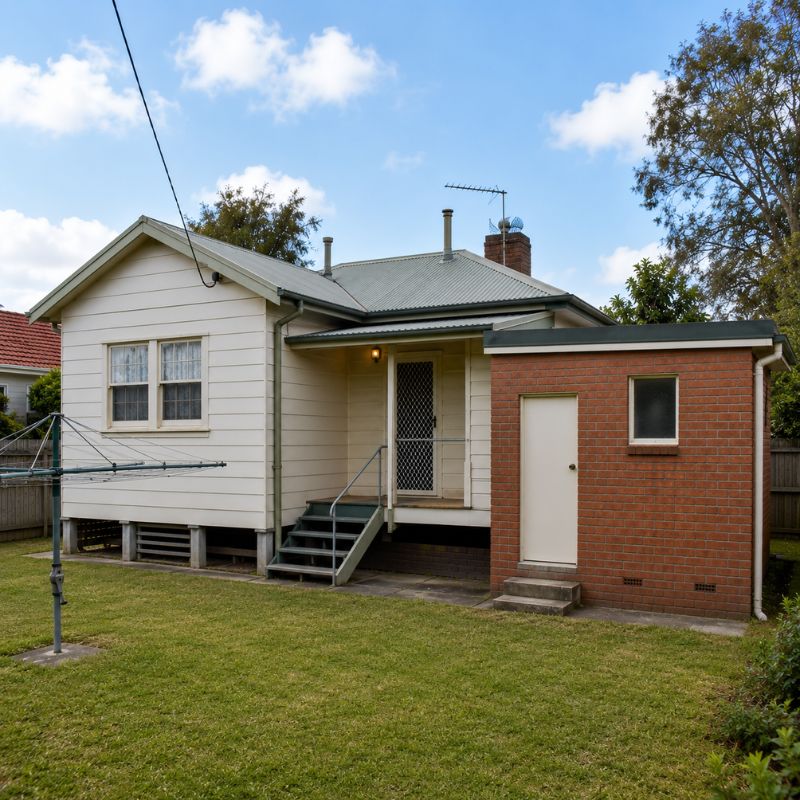
Canterbury-Bankstown grew fast after the war, and it grew in materials that were cheap and quick. Double brick through Campsie, Belmore and Canterbury. Fibro clad cottages across Chester Hill, Sefton and Yagoona. Then a long run of eighties and nineties brick veneer, plus thousands of granny flats and rear additions where the second bathroom went in on a shoestring.
Every one of those eras built a shower base the same way. Screed on the slab or on the sheeting, tiles on top, silicone at the corners, done. It worked for a while. Forty years later the bed is saturated, the grout has gone to powder and the water has found the timber.
The other thing that shapes our work here is that a lot of these homes are rented. Tenants notice the damp, agents call us, owners want a number they can approve without a site visit. We are set up for that, and we put the finding in writing so it can be passed along without being retold.
What we check on an older bathroom

Match the symptom to the cause
What the damp is actually telling you
People describe the problem by where they see it. We work backwards from that to where it started.
What you are seeing | Most likely cause | Usual repair |
Damp on the bedroom wall that shares the shower wall | Saturated screed bed venting sideways | Flood test, then joint repair or a new membrane |
Water through the kitchen ceiling below an upstairs bathroom | Membrane absent or the waste flange never sealed | Strip the base, seal the flange, new membrane, re-tile |
Mould returning weeks after a reseal | Bed sealed in while still wet | Open up, dry properly, reseal |
Springy or blackened floor at the shower door | Water reaching timber flooring or bearers | Structural check first, then the wet area repair |
Crack running along a tile line in a rear addition | Movement where the addition meets the original build | Flexible grout and a treated junction, not rigid patching |
No visible damage anywhere, just a high water bill | Concealed pipe leak rather than the shower itself | Leak detection to separate the two before anything is cut |
Docks, lifts and noise windows
Our services across Canterbury-Bankstown
Each links through to the full service page. The person who inspects your bathroom is the person who repairs it.
Waterproofing Canterbury-Bankstown
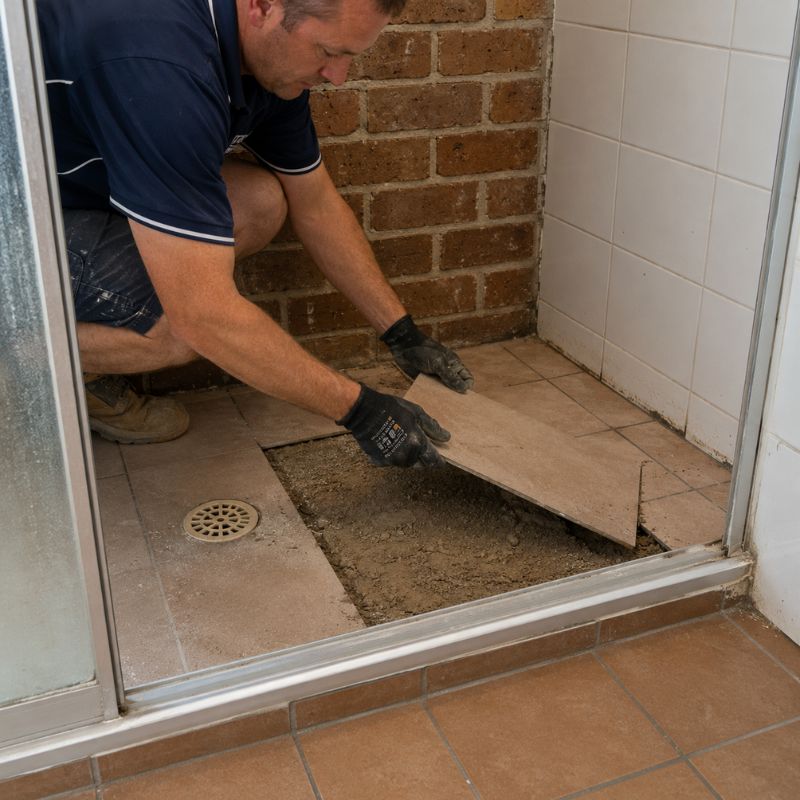
This is the big one out here, because so many of these bathrooms never had a membrane to begin with. We strip the base, correct the fall to the waste, seal the flange and every wall junction, then lay a new membrane and let it cure properly before a tile goes near it. Done once, it outlasts the rest of the bathroom.
Shower Sealing and Caulking Canterbury-Bankstown
Old silicone gets cut out entirely, not covered over. We clean the joint back to the tile edge, check that the bed behind it is dry, and only then run the new bead. If the bed is wet we say so and stop, because sealing water in is how a job comes back three months later.
Water Leak Detection Canterbury-Bankstown
Half the calls we take here turn out to be two problems tangled together, a tired shower and an old galvanised pipe run. We separate them before anyone starts cutting. Flood testing for the wet area, moisture mapping through the adjoining rooms, thermal where the water is under a slab.
Tile Grouting Canterbury-Bankstown
Fifty year old cement grout goes chalky and simply falls out of the floor joints. We rake the lines out to depth and refill with a flexible grout that can handle the small movements an older house makes. On a bathroom that has been looked after, this alone often stops the water.
Tiling Services Canterbury-Bankstown
Original tiles from the sixties and seventies rarely survive removal, so we hold aside whatever does and show you the nearest current match for the rest before ordering anything. Set out so the cut tiles land in the corner behind the screen where nobody is looking at them.
Bathroom Renovations Canterbury-Bankstown
When the shower needs a membrane, the vanity is swollen and the tiles are coming off the wall anyway, a repair is not the cheaper option, it is just the smaller invoice. We will tell you where that line sits and take the room from strip out to finished if you want it done properly.
Leaking Balcony Repairs Canterbury-Bankstown
Less common here than on the coast, but every unit block along the Canterbury Road corridor has them, and the rear additions on older homes often carry a tiled deck over a garage. Blocked outlets and cracked junctions, same as a shower, larger area, worse weather.
For owners, agents and tenants
When the bathroom is not yours
A large share of the homes we attend in this council area are rented, and that changes how the job runs more than most people expect. The tenant sees the damp first and reports it. The agent needs a diagnosis and a price they can send upward. The owner is often nowhere near Sydney and is being asked to approve work on a bathroom they have not stood in for years.
So we write it down. What we tested, what it showed, whether the membrane is intact, failed or absent, what the repair is, and what it costs as a fixed figure. One page, no jargon, no range. That document is what gets forwarded, and it saves a fortnight of back and forth.
We also work around tenants properly. Access arranged in advance, the bathroom out of service for the shortest window the repair allows, and a clear answer on when it can be used again. General guidance on repairs and maintenance obligations in a tenancy is published by NSW Fair Trading, and it is worth a read before anyone starts arguing about who pays.
Start to finish
How the job runs
1
Call or send the form
Owner, tenant or agent. Tell us what shows and where. We will already be narrowing it down.
2
Test on site
Flood test, moisture mapping, waste and junction check. Around an hour, tenant present or key collected.
3
Written finding and price
One page, one fixed figure. Forwardable to whoever signs off, without a phone call to explain it.
4
Do the work, re-test
Work completed, flood tested again, and a clear answer on when the shower can be used.
Canterbury across to Revesby Heights
Suburbs in our patch
The full council area. Linked suburbs have a page of their own, the rest are serviced without one.
Leaking Shower Repairs Ashbury
Leaking Shower Repairs Bankstown
Leaking Shower Repairs Bass Hill
Leaking Shower Repairs Belmore
Leaking Shower Repairs Campsie
Leaking Shower Repairs Canterbury
Leaking Shower Repairs Chester Hill
Leaking Shower Repairs Chullora
Leaking Shower Repairs Condell Park
Leaking Shower Repairs Hurlstone Park
Leaking Shower Repairs Lansdowne
Leaking Shower Repairs Mount Lewis
Leaking Shower Repairs Padstow
Leaking Shower Repairs Padstow Heights
Leaking Shower Repairs Punchbowl
Leaking Shower Repairs Revesby
Leaking Shower Repairs Revesby Heights
Leaking Shower Repairs Roselands
Leaking Shower Repairs Sefton
Leaking Shower Repairs Wiley Park
Leaking Shower Repairs Yagoona
Leaking Shower Repairs Birrong
Leaking Shower Repairs Clemton Park
Leaking Shower Repairs Earlwood
Leaking Shower Repairs East Hills
Leaking Shower Repairs Georges Hall
Leaking Shower Repairs Greenacre
Leaking Shower Repairs Lakemba
Leaking Shower Repairs Milperra
Leaking Shower Repairs Panania
Leaking Shower Repairs Potts Hill
Leak Detection Ashbury
Leak Detection Bankstown
Leak Detection Bass Hill
Leak Detection Belmore
Leak Detection Birrong
Leak Detection Campsie
Leak Detection Canterbury
Leak Detection Chester Hill
Leak Detection Chullora
Leak Detection Clemton Park
Leak Detection Condell Park
Leak Detection Earlwood
Leak Detection East Hills
Leak Detection Georges Hall
Leak Detection Greenacre
Leak Detection Hurlstone Park
Leak Detection Lakemba
Leak Detection Lansdowne
Leak Detection Milperra
Leak Detection Mount Lewis
Leak Detection Padstow
Leak Detection Padstow Heights
Leak Detection Panania
Leak Detection Potts Hill
Leak Detection Punchbowl
Leak Detection Revesby
Leak Detection Revesby Heights
Leak Detection Roselands
Leak Detection Sefton
Leak Detection Wiley Park
Leak Detection Yagoona
Waterproofing Services Ashbury
Waterproofing Services Bankstown
Waterproofing Services Bass Hill
Waterproofing Services Belmore
Waterproofing Services Birrong
Waterproofing Services Campsie
Waterproofing Services Canterbury
Waterproofing Services Chester Hill
Waterproofing Services Chullora
Waterproofing Services Clemton Park
Waterproofing Services Condell Park
Waterproofing Services Earlwood
Waterproofing Services East Hills
Waterproofing Services Georges Hall
Waterproofing Services Greenacre
Waterproofing Services Hurlstone Park
Waterproofing Services Lakemba
Waterproofing Services Lansdowne
Waterproofing Services Milperra
Waterproofing Services Mount Lewis
Waterproofing Services Padstow
Waterproofing Services Padstow Heights
Waterproofing Services Panania
Waterproofing Services Potts Hill
Waterproofing Services Punchbowl
Waterproofing Services Revesby
Waterproofing Services Revesby Heights
Waterproofing Services Roselands
Waterproofing Services Sefton
Waterproofing Services Wiley Park
Waterproofing Services Yagoona
Solid chip: suburb page you can open / Dashed chip: serviced, no page yet
Drainage, stormwater and building approvals for this area sit with the City of Canterbury-Bankstown.
What people ask us before they book
Five straight answers
Water does not need a crack you can see. It gets through grout that has gone porous, through a hairline gap where the silicone has pulled away from the tile, or straight through a bed that was laid without a membrane under it. From there it soaks into the screed and travels. By the time it shows up as damp on a bedroom wall, it has usually been going on for a year or more. That is why we flood test rather than inspect visually and guess.
A reseal and regrout on a bathroom with a sound membrane should give you many years of ordinary use, and it will last longer if the exhaust fan actually works and the joints get cleaned rather than scrubbed with something abrasive. A new membrane is a different proposition, it is a rebuild of the waterproofing layer and should outlast the rest of the bathroom. What shortens either is sealing a wet bed in, which is exactly what we refuse to do.
It depends on the work. Anything touching the pipework or the drainage is licensed plumbing work. Resealing, regrouting, tiling and applying a waterproof membrane are trade areas with their own requirements, and waterproofing in particular carries certification obligations when a new membrane goes in. Ask any contractor which category your job falls into and what they are licensed to do. It is a fair question, and anyone worth using will answer it without getting defensive.
As a general rule, repairs to the structure and the fixtures of a rented property sit with the owner rather than the tenant, and a failed shower membrane is a structural wet area problem, not a cleaning issue. There are exceptions where damage was caused by the tenant. We are not the people to rule on that, so we do what we can do, which is give you a written finding that states the cause plainly, and you take it from there. NSW Fair Trading publishes the general obligations.
Yes, when the membrane below is intact. If the flood test shows the base is holding water and the entry point is at the joints, the grout or the screen, we repair it with the tiling left where it is. Tiles only come up when the membrane has failed or was never there, and in this council area that is more common than it is elsewhere in Sydney because of how these bathrooms were built. We confirm which one you have before quoting.
