

St George Towers And Riverfront Blocks
Leaking Shower Repairs Georges River
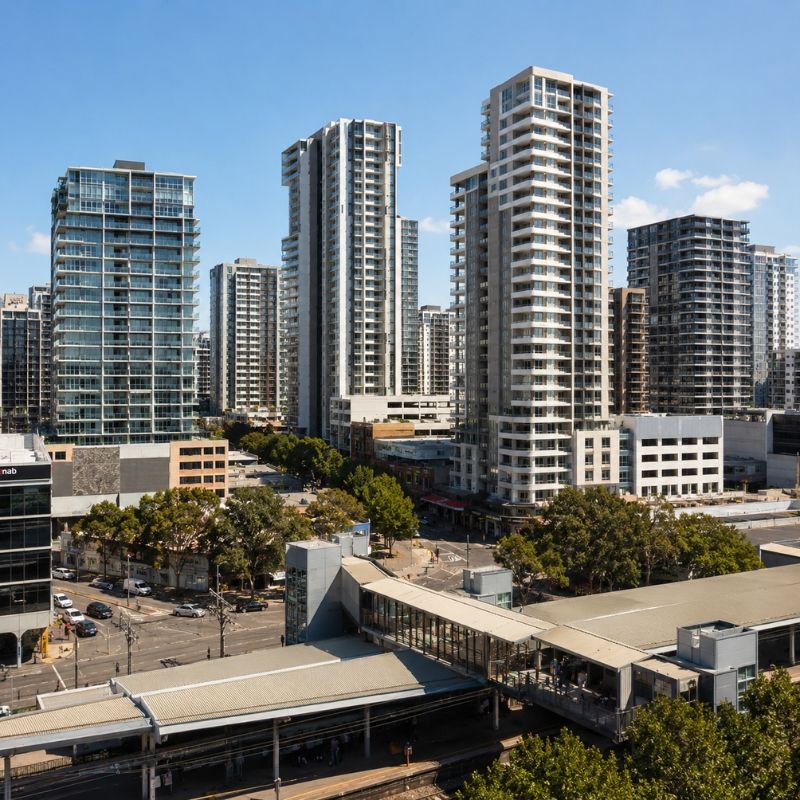
The high rise core around Hurstville station has reached its first real maintenance cycle. It shows.
Buildings put up through the 2000s and 2010s around the station and Forest Road are now old enough that the original silicone has hardened and the floor grout has shrunk. Meanwhile the streets running down to the river at Blakehurst, Connells Point and Oatley are all sloping blocks with bathrooms over undercroft garages. One council area, two very different sets of problems.
Get a repair quote
Seven services, one crew
What we do across Georges River
Leak detection leads here, because in a tower the cost of guessing is somebody else’s ceiling. Each service links through to its own page.
Water Leak Detection Georges River
Around Hurstville station the bathrooms sit in towers on concrete slabs, and opening the wrong ceiling is expensive. So we find it first. Plugged flood test, moisture mapping through the apartment, thermal across the slab, and confirmation from below where access allows.
Tile Grouting Georges River
Floor grout shrinks as a building settles, and hairline joints let water straight into the bed. We rake the failed lines out to depth and refill with a flexible grout rather than smearing new over old. On a newer apartment this alone frequently stops it.
Read the sign, find the source
What the damage is telling us
People describe where they see it. We work back to where it started.
What you are seeing | Most likely source | Usual repair |
Water reported in the apartment below | Silicone or grout failure, membrane less often | Reseal and regrout, tiles left in place |
Hairline cracks along the floor joints | Grout shrinkage as the building settles | Rake out to depth, refill with a flexible grout |
Damp on an undercroft garage ceiling | Membrane failure in a bathroom above | Strip, reset the fall, new membrane, re-tile |
Silicone hardened and pulled off the tile | Original construction sealant at end of life | Cut out completely, dry, reseal |
Balcony leaking into the room beneath | Silted outlet and cracked perimeter junction | Clear drainage, treat junctions, check membrane |
Damp with no change after 48 hours unused | Something other than the shower | Leak detection before any wet area work |
River blocks and station towers
One council area, two building stories
The land here falls away toward the water, which is why so many homes at Blakehurst, Connells Point, Kyle Bay and Oatley have a garage tucked underneath and a bathroom sitting directly over it. When a shower in one of those leaks, the evidence turns up on the garage ceiling rather than anywhere useful.
Then there is the other Georges River, the high rise core around Hurstville station and Forest Road. Ensuites and main bathrooms on concrete slabs, large format tiling, and construction silicone that was applied at handover and is now well past its working life.
Between the two sit Penshurst, Mortdale and Beverly Hills, mostly interwar and post-war brick where the original shower bed frequently has no membrane at all. Three stocks, three approaches, one crew who knows which is which before they arrive.
What our inspection covers here

Five steps in a tower, four in a house
The sequence we follow
1
Tell us the constraints
Occupied hours, permitted noise windows, who controls access. We plan around them.
2
Building access sorted
Dock, lift and hours booked in advance where the building requires it.
3
On site testing
Flood test, moisture map, thermal. Confirmed from below where we can get in.
4
The finding in writing
One page, one fixed figure, forwardable to whoever signs off.
5
Repair, then confirm
Work completed, tested again, and a clear answer on when to use it.
One recess, ten days apart
What actually changes
A shower that has been leaking quietly for years looks unremarkable. That is precisely the problem with it.
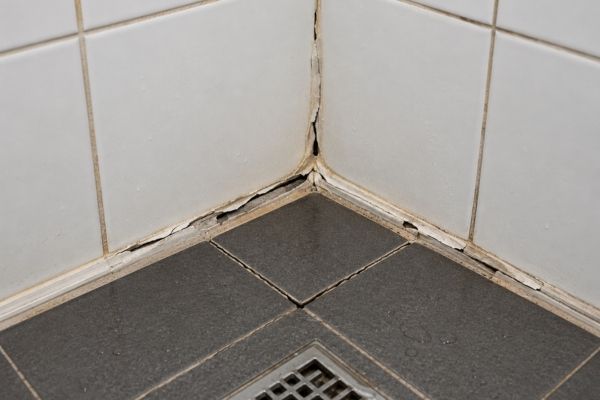
Before, on the day we tested it
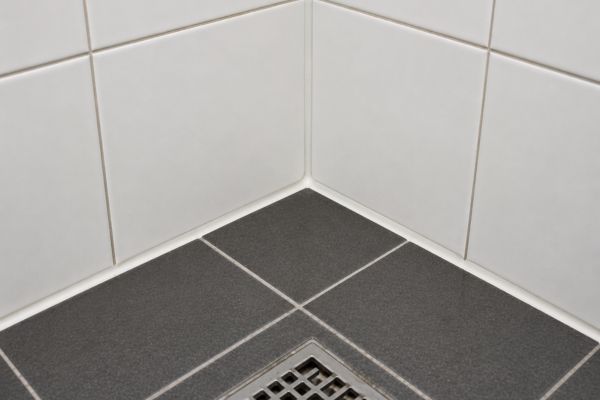
After, sealed and re-tested
Straight numbers, nothing dressed up
Lower north shore, harbour side
Suburbs on this hub
The council area and the pockets around it. Linked suburbs have their own page, the rest we service without one.
Leak Detection Carlton
Leak Detection Allawah
Leak Detection Beverley Park
Leak Detection Beverly Hills
Leak Detection Blakehurst
Leak Detection Carss Park
Leak Detection Connells Point
Leak Detection Hurstville
Leak Detection Hurstville Grove
Leak Detection Kingsgrove
Leak Detection Kogarah
Leak Detection Kogarah Bay
Leak Detection Kyle Bay
Leak Detection Lugarno
Leak Detection Mortdale
Leak Detection Narwee
Leak Detection Oatley
Leak Detection Peakhurst
Leak Detection Peakhurst Heights
Leak Detection Penshurst
Leak Detection Riverwood
Leaking Shower Repairs Penshurst
Leaking Shower Repairs Riverwood
Leaking Shower Repairs Allawah
Leaking Shower Repairs Beverley Park
Leaking Shower Repairs Narwee
Waterproofing Services Allawah
Waterproofing Services Beverley Park
Waterproofing Services Beverly Hills
Waterproofing Services Blakehurst
Waterproofing Services Carlton
Waterproofing Services Carss Park
Waterproofing Services Connells Point
Waterproofing Services Hurstville
Waterproofing Services Hurstville Grove
Waterproofing Services Kingsgrove
Waterproofing Services Kogarah
Waterproofing Services Kogarah Bay
Waterproofing Services Kyle Bay
Waterproofing Services Lugarno
Waterproofing Services Mortdale
Waterproofing Services Narwee
Waterproofing Services Oatley
Waterproofing Services Peakhurst
Waterproofing Services Peakhurst Heights
Waterproofing Services Penshurst
Waterproofing Services Riverwood
What the phone calls sound like
Questions worth answering properly
Carefully and in the right order. There is no subfloor to get under, so everything is read from above and from the apartment below, which makes accurate testing more important than anywhere else. Once the source is confirmed, most tower leaks turn out to be at the silicone joints or in shrunken floor grout rather than the membrane, and both are repaired with the tiles left in place. Access is the other half of the job, and we book the dock and the lift before we come.
It depends what is below. Over a slab, water tracks along the topping and comes out in the ceiling of whatever is downhill, often not the room directly under the shower. Over an undercroft garage, which is common on the sloping blocks down toward the river, it stains and eventually sags the ceiling lining. Over timber, it reaches the joists and that becomes a structural conversation rather than a tiling one.
No, and assuming it does is how people end up paying for a strip out they never needed. Water gets in through failed silicone, cracked or shrunken grout, a poorly sealed waste flange or a corroded screen track long before the membrane is the culprit. A flood test tells you which. If the base holds water, the membrane is doing its job and the problem is above it.
Sooner than most people do, but there is no need to panic. Water damage compounds quietly, so a small stain that has been there six months has usually been wet for a lot longer. If a neighbour below is reporting water, stop using the shower and get it tested that week. If it is a bit of dark grout and no damp anywhere else, you have time to get it looked at properly rather than accepting the first quote.
