

Floodplain Bathrooms And Rural Blocks
Leaking Shower Repairs Hawkesbury
Half the damp we get called to out here was never the shower in the first place.
Windsor, Bligh Park, Clarendon and McGraths Hill sit on the Hawkesbury-Nepean floodplain, and a lot of bathrooms in this council area have been through water from the outside as well as the inside. Those two problems look very similar on a wall and cost very different amounts to fix. So before we quote anything, we establish which one you actually have.
Get a repair quote
Two kinds of water damage
Telling a flood mark from a shower leak
The distinction is not academic. One is a bathroom repair and the other is a building problem.
What you observe | Points to a shower leak | Points to flood related damage |
Where it sits | Around and behind the wet area | At a consistent height across whole rooms |
After 48 hours unused | Measurably drier | Unchanged |
Other rooms affected | Usually only adjoining ones | Often the whole floor level |
Timing | Gradual, worsening with use | Traceable to a known event |
Subfloor | Wet directly under the wet area | Broad, even ground moisture |
Correct first step | Flood test the shower base | Assess the building, not the bathroom |
Rebuilt bathrooms and skipped steps
What gets missed when a house goes back together quickly
After water goes through a house, the priority is getting people back into it. Bathrooms are stripped, dried, sheeted and re-tiled, often at pace and often by whoever was available at the time. Most of that work is sound. The step that gets compressed is the waterproofing, because it is invisible, it needs curing time, and curing time is the one thing nobody has.
So we see bathrooms that are two or three years old and already leaking, and the owners understandably assume they were done badly. Usually it is narrower than that. The membrane is there but it stops short at a junction, or the waste flange was sealed in a hurry, or the base was tiled before the membrane had properly gone off.
That is worth knowing because it changes the repair. A young bathroom with a nearly right membrane is a very different job to a fifty year old bathroom with none at all, and the price gap between them is large.
What we check on a rebuilt bathroom

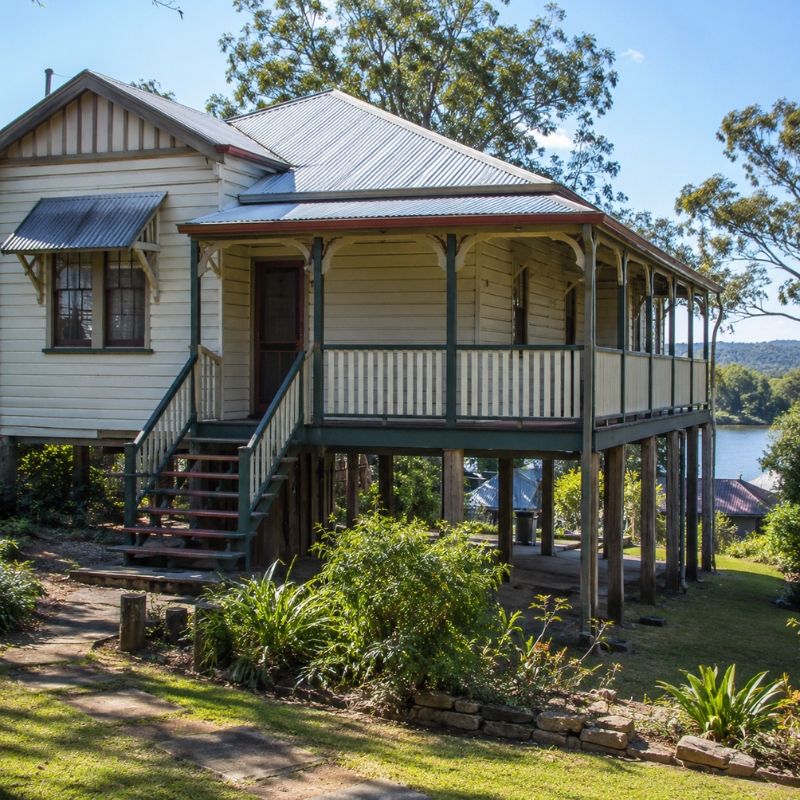
Out past Windsor and Richmond
Our Hawkesbury service list
Seven services, each linking to its own page. Leak detection leads here because out on the floodplain the first job is establishing that there is a leak at all.
Water Leak Detection Hawkesbury
On the floodplain the first question is not where the leak is, it is whether there is one. A lot of what gets blamed on a shower out here is residual damage from inundation. We flood test the wet area, map moisture through the rooms, and give you a straight answer either way.
Waterproofing Hawkesbury
Where a bathroom has been rebuilt after water damage, the membrane is the part most often skipped in the rush to get a family back in. We strip the base, reset the fall, seal the flange and the wall junctions, and lay a new membrane properly, then let it cure before tiling.
Shower Sealing and Caulking Hawkesbury
Old silicone comes out completely, not covered over. Joint cut back to bare tile, checked that the bed behind it is dry, then resealed. If the bed is still wet we stop and say so, because sealing water into a bathroom that has already been through enough helps nobody.
Tile Grouting Hawkesbury
Grout that has been submerged, dried out and used for another few years is usually finished even when it looks passable. We rake the joints out to depth and refill with a flexible grout rather than skimming over the top of tired lines.
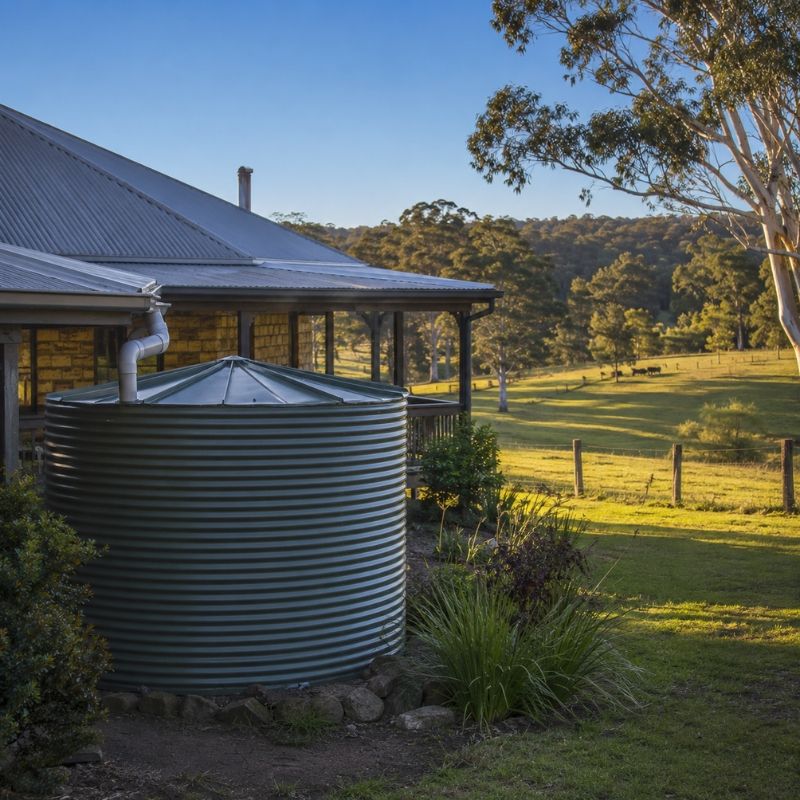
Distance, tanks and getting it done in one trip
Working on rural blocks out here
A fair share of this council area is acreage, and that changes the practicalities more than the plumbing. Driving out three times to inspect, quote and then repair is a waste of everybody’s day, so we plan to test and quote on the same visit wherever the job allows it.
Tank water is the other difference. In town a slow leak is a slow leak. On a property running off tanks through a dry summer, a shower that is quietly losing water is costing you the water as well as the ceiling, and it tends to show up as a tank level dropping faster than usage explains.
Our hours help here. Monday to Saturday from 6:30AM through to 11PM is a wide enough window to get out past Windsor, do the testing properly and get back, rather than arriving late and cutting the part of the job that actually determines the repair.
Four steps, planned around the drive
How a Hawkesbury job runs
1
Tell us the history
What you are seeing, and whether the property has been flood affected. That changes the testing.
2
Test on one visit
Flood test, moisture map at floor level, subfloor where accessible. We plan for one trip.
3
A straight answer and a firm price
Whether it is the shower, the building, or both, with a cost against each.
4
Repair, then confirm it
Work completed, flood tested again, and readings repeated before we leave.
Straight numbers, nothing dressed up
What Hawkesbury owners ask first
Four straight answers
They look similar and they are not the same problem, so it is worth separating properly. Flood damage tends to be at floor level across a whole room or a whole house, at a consistent height, and it will not change no matter what you do in the bathroom. A shower leak is localised around the wet area and gets measurably better when the shower goes unused for a couple of days. We test for exactly that, because repairing a shower that was never leaking is a genuinely expensive way to fix nothing.
Yes. It is further out than most of where we work and we are not going to pretend otherwise, so we plan around it rather than making three short trips. Inspection and testing happen in one visit wherever the job allows, and we work Monday to Saturday from 6:30AM through to 11PM, which gives enough of a window to get out, test properly and get back without rushing the part that matters.
Often yes, and it is one of the things most likely to be missed. Waterproof membranes are designed to keep water in a shower, not to sit submerged from the outside for days, and prolonged inundation can lift a membrane off the substrate or break down the junctions even where the tiling looks untouched. A flood test tells you whether the membrane is still doing its job. If it is not, the base h
A reseal and regrout is generally one day on site, then 24 hours before the shower goes back into use so the silicone cures. Allow longer in a cold, closed up bathroom through winter. A membrane replacement is a different scale, usually several days with strip out, membrane curing and tiling, and there is no way to compress that honestly. On a rural block we will tell you upfront how we intend to stage it so you are not without a bathroom longer than necessary.
Windsor, Richmond and around
Suburbs in this part of the world
The Hawkesbury region as far as our run reaches. Linked suburbs have their own page, the rest we service without one.
Leak Detection Richmond
Leak Detection Windsor
Leak Detection Bligh Park
Leak Detection Mulgrave
Leak Detection Vineyard
Leak Detection Windsor Downs
Leak Detection Clarendon
Leak Detection Hobartville
Leak Detection Mcgraths Hill
Leaking Shower Repairs Windsor Downs
Leaking Shower Repairs Bligh Park
Leaking Shower Repairs Clarendon
Leaking Shower Repairs Hobartville
Leaking Shower Repairs Mcgraths Hill
Leaking Shower Repairs Richmond
Waterproofing Services Bligh Park
Waterproofing Services Clarendon
Waterproofing Services Hobartville
Waterproofing Services Mcgraths Hill
Waterproofing Services Mulgrave
Waterproofing Services Richmond
Waterproofing Services Vineyard
Waterproofing Services Windsor
Waterproofing Services Windsor Downs
Building approvals and floodplain development controls for this area are published by Hawkesbury City Council, and current river and flood information is available from the NSW State Emergency Service.
