

Three Bathrooms, One Wet Ceiling
Leaking Shower Repairs The Hills Shire
The stain on the ceiling is downstairs. The leak is not necessarily in the room above it.
Homes through Bella Vista, Beaumont Hills, Kellyville and Rouse Hill routinely carry three or four wet areas, most of them sitting over living space. Water that gets past a shower base travels before it surfaces, so the room directly above the damage is a suspect rather than a verdict. Out on the acreage at Glenorie and Kenthurst the problem is different again, because a slow leak on tank water costs you the water as well as the ceiling.
Get a repair quote
Newer estates and old acreage
What we cover in The Hills Shire
Seven services across the Hills District, each linking to its own page. Leak detection leads because in a four bathroom house it has to.
Water Leak Detection The Hills Shire
In a house with three or four wet areas, finding out which one is leaking is most of the job. We flood test each in turn with the waste plugged, map moisture through the rooms below, and use thermal where water is moving through a slab. Nobody pays to repair a shower that was never the problem.
Shower Sealing and Caulking The Hills Shire
Frameless screens are standard in the newer homes here, and the joint where the glass meets the base carries more of the waterproofing load than owners expect. We cut the failed bead right out, dry the joint, and reseal in a product that stays flexible while the house moves.
Tiling Services The Hills Shire
Large format tiles in a 2005 to 2015 build are usually still traceable through the original supplier, so a match is realistic. Where the line has been discontinued we show you the closest current option in the actual room, in the actual light, before ordering anything.
Clay that swells, then shrinks back
The ground under a Hills bathroom moves
Much of this shire sits on reactive clay. It takes up water through a wet winter and swells, then dries through summer and pulls back. That cycle is slow, it is seasonal, and it is strong enough to move a slab.
Tiling does not care much. Adhesive has some give. Cement grout has almost none, so the stress ends up concentrated in the narrowest and most rigid part of the assembly, and the joints open. Once a joint is open, every shower puts water into the bed underneath.
It is worth being clear that this is not a sign the bathroom was built badly. It is a normal consequence of laying a rigid material over ground that moves, and the answer is to replace the rigid part with something that can flex rather than to lay the same product again and hope.
What a Hills Shire inspection includes

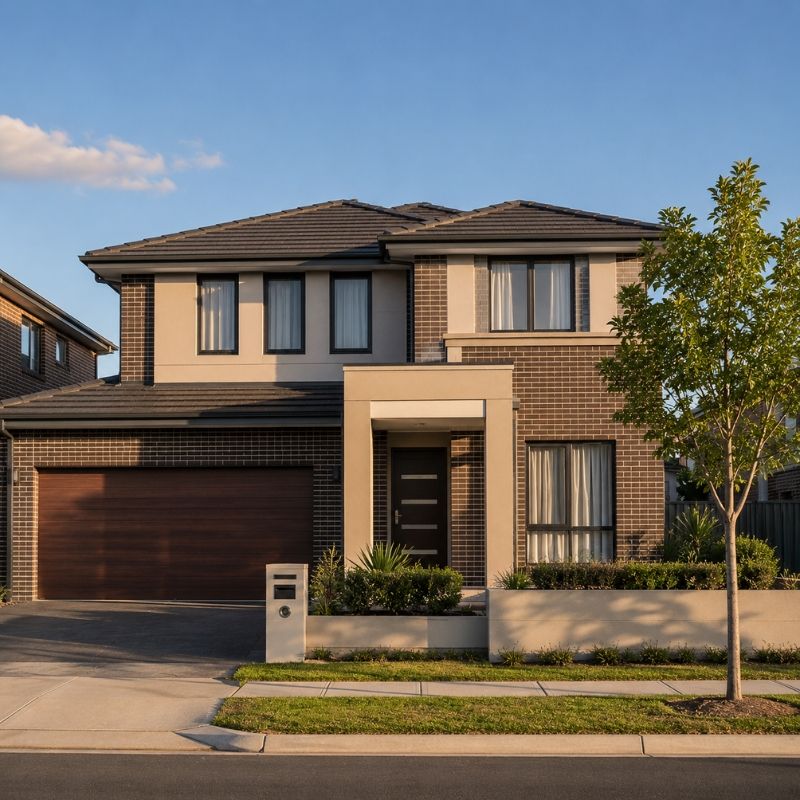
Where the stain is against where the leak is
Reading a ceiling correctly
The most expensive mistake in a multi bathroom house is treating the stain as a map.
Ceiling evidence | What people assume | What we check instead |
Stain directly under the ensuite | The ensuite is leaking | All wet areas, tested one at a time |
Stain near a downlight | The light fitting is the problem | The cutout is just the lowest exit point |
Stain in a hallway with no bathroom above | A pipe in the ceiling | The nearest wet area, and the fall of the slab |
Two stains in different rooms | Two separate leaks | Usually one source with two exit paths |
Stain that dries then returns | It was fixed and failed again | Whether the bed was sealed in while still wet |
No stain, but a musty smell | Nothing serious yet | Moisture readings, because it is often earlier not smaller |
Four steps, one bathroom at a time
The order we test in
1
Tell us the layout
How many wet areas, which floor they are on, and what is underneath them.
2
Sequential testing
One wet area flood tested at a time with the others unused. Slower, and correct.
3
The room named, the price fixed
Which room is leaking, what the repair is, and what it costs.
4
Repair, then check below
Work completed, tested again, and the room below checked before we leave.
Straight numbers, nothing dressed up
One ensuite, a fortnight apart
What the repair changes
Reactive clay does not undo itself, so the repair has to accommodate it rather than resist it.
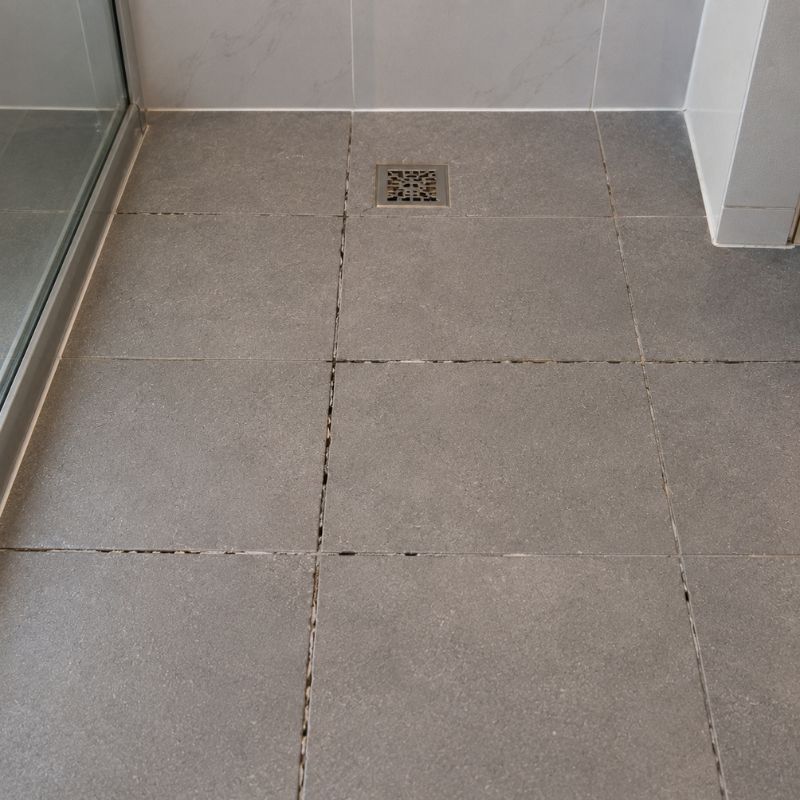
Before, on the day we tested it
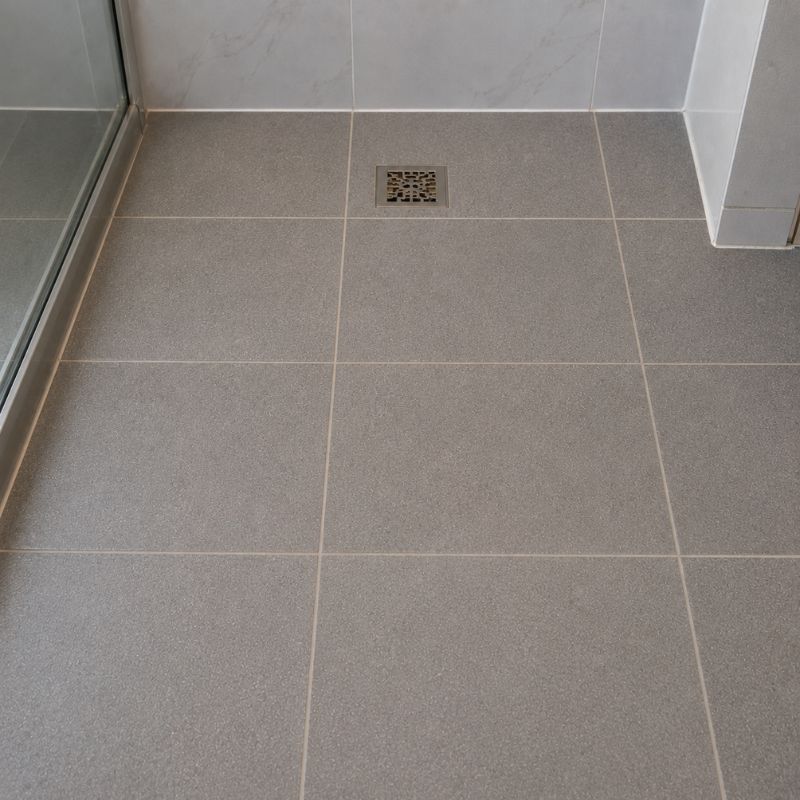
After, sealed and re-tested
What Hills homeowners ask
Four answers worth having
In a two storey Hills home with an ensuite, a main bathroom and a powder room, the honest answer is that a damp patch on a ceiling tells you almost nothing. Water moves along the slab topping or the joists before it comes out, so the room above the stain is not reliably the room at fault. We flood test each wet area separately, one at a time, with the others unused. It takes longer than guessing and it is the only way to avoid repairing the wrong bathroom.
On an acreage property, absolutely, and it is often what finally gets the leak looked at. A slow escape through a failed shower base does not show up as a puddle, it shows up as a tank emptying faster than it should through a dry spell. If your usage has climbed without an obvious explanation and the bathroom has any damp around it, it is worth testing before you order another delivery.
Indirectly, yes. Much of this shire sits on reactive clay that swells when it is wet and shrinks when it dries out, and that seasonal movement transfers into the slab and the tiling above it. Grout has almost no flexibility, so it cracks first, and once the joint opens water gets into the bed. The tiling did not fail because it was laid badly. It failed because it was laid rigid on ground that moves.
Same repair, more care about what is underneath. We put protection down through the room below before anything starts, and we would rather confirm the source from that side first if the ceiling has already been affected. If the membrane is sound and the water is entering at the joints, the grout or the screen, we repair it with the tiles left in place. If the flood test shows the base is not holding, the base comes up, which is a several day job rather than a morning.
Roseville through to Wahroonga
Where we work on the upper north shore
The council area, station suburbs and leafy streets alike. Linked suburbs have their own page, the rest we service without one. Note that Mount Kuring-Gai sits in Hornsby Shire rather than here, despite the similar name.
Leak Detection Box Hill
Leak Detection Dural
Leak Detection Annangrove
Leak Detection Baulkham Hills
Leak Detection Beaumont Hills
Leak Detection Bella Vista
Leak Detection Castle Hill
Leak Detection Cattai
Leak Detection Glenhaven
Leak Detection Glenorie
Leak Detection Kellyville
Leak Detection Kenthurst
Leak Detection Leets Vale
Leak Detection Maroota
Leak Detection Middle Dural
Leak Detection Nelson
Leak Detection Rouse Hill
Leaking Shower Repairs Rouse Hill
Leaking Shower Repairs Box Hill
Leaking Shower Repairs Cattai
Leaking Shower Repairs Maroota
Leaking Shower Repairs Nelson
Waterproofing Services Annangrove
Waterproofing Services Baulkham Hills
Waterproofing Services Beaumont Hills
Waterproofing Services Bella Vista
Waterproofing Services Box Hill
Waterproofing Services Castle Hill
Waterproofing Services Cattai
Waterproofing Services Dural
Waterproofing Services Glenhaven
Waterproofing Services Glenorie
Waterproofing Services Kellyville
Waterproofing Services Kenthurst
Waterproofing Services Leets Vale
Waterproofing Services Maroota
Waterproofing Services Middle Dural
Waterproofing Services Nelson
Waterproofing Services Rouse Hill
Heritage listings, conservation areas and tree preservation controls for this council are published by Ku-ring-gai Council. Bushfire prone land mapping matters on the bushland fringe at St Ives Chase and Wahroonga and is available from the NSW Rural Fire Service.
