Leak Detection in Carss Park

If you’ve got damp patches, musty smells, swelling skirting, or water showing up in a different spot to where it starts, the most useful first step is often confirming the real source before any repairs.

Leak Detection in Carss Park is generally a quick on-site investigation focused on how water is getting into, leaking from, or moving through the building, so the next step relies on evidence rather than guesswork.
Yes — we service Carss Park. Leak detection generally starts with an on-site inspection focused on mapping moisture, tracing likely pathways, and identifying the most likely entry point(s) before any repairs take place. Access limitations involving units, strata, rooftops, or underfloor and ceiling spaces, along with site conditions like parking, key access, pets, and weather, can influence what can be confirmed on the day.
When to call: repeated damp or mould issues, stains on the ceiling, water showing up after rainfall, shower leaks that reappear, or unexplained moisture around walls or flooring.
What we’ll do on-site: carry out a visual assessment, take moisture readings, and complete targeted testing where appropriate, then document the findings.
What affects time/cost: how accessible the suspected areas are, whether the leak is active or intermittent, any multi-level coordination involved, and whether isolation tests are needed.


Same Day Service

Open Till Late

Sydney Wide

Quality Service

Quick Booking Form

Where We Service in Carss Park

We include Carss Park in our Sydney coverage. The approach is practical: identify the symptom, assess the likely pathways, and narrow down the source while keeping disruption to a minimum where possible.

If the property is a unit or managed building, it’s helpful to know who can approve access to common areas such as roof spaces, planter boxes, external walls, service risers, or neighbouring lots if the leak is spreading.

Local Leak Detection Specialist in Carss Park
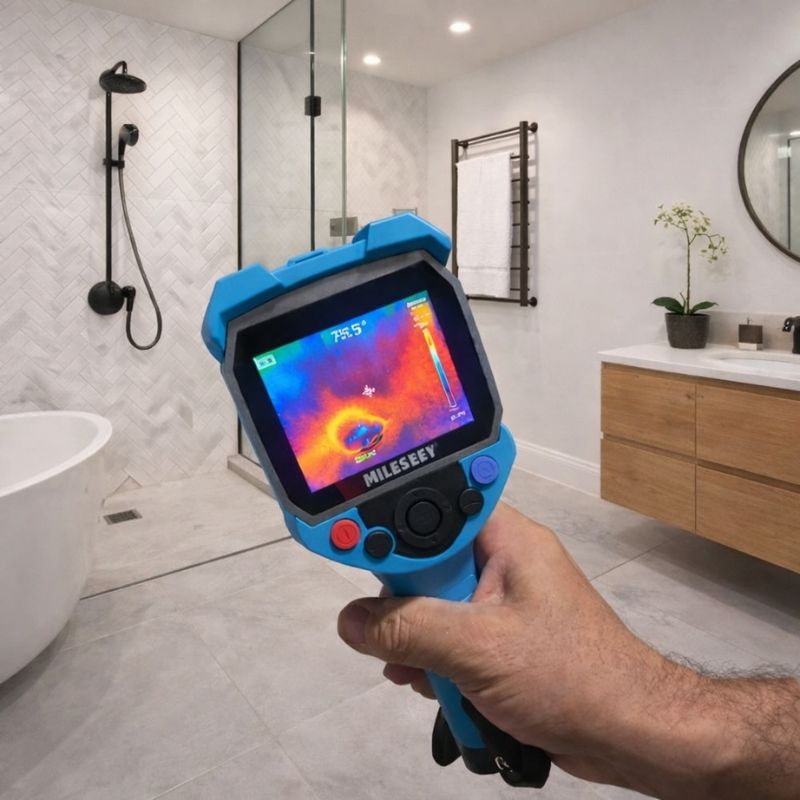
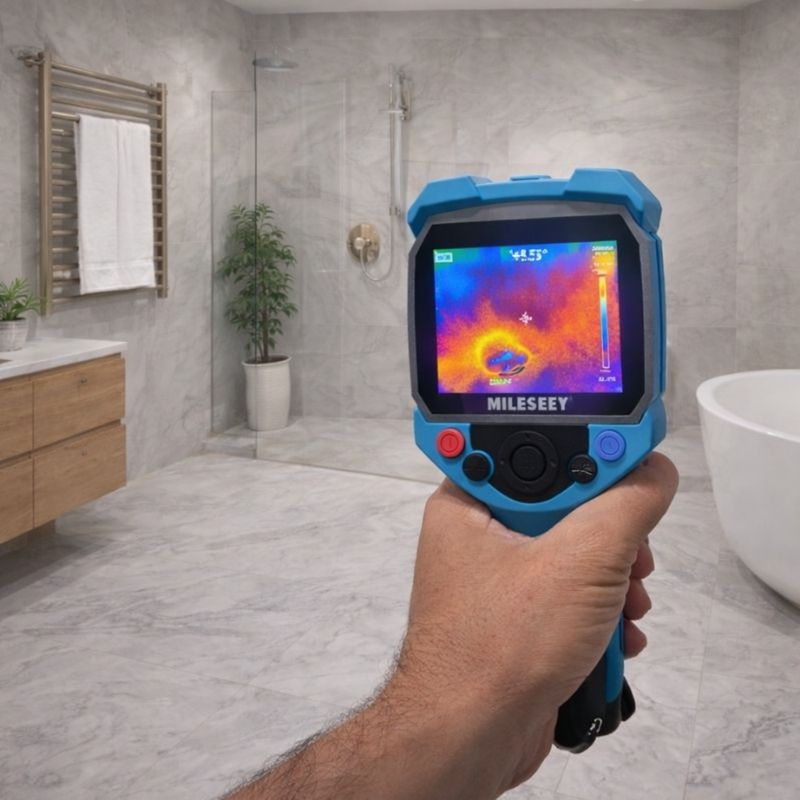
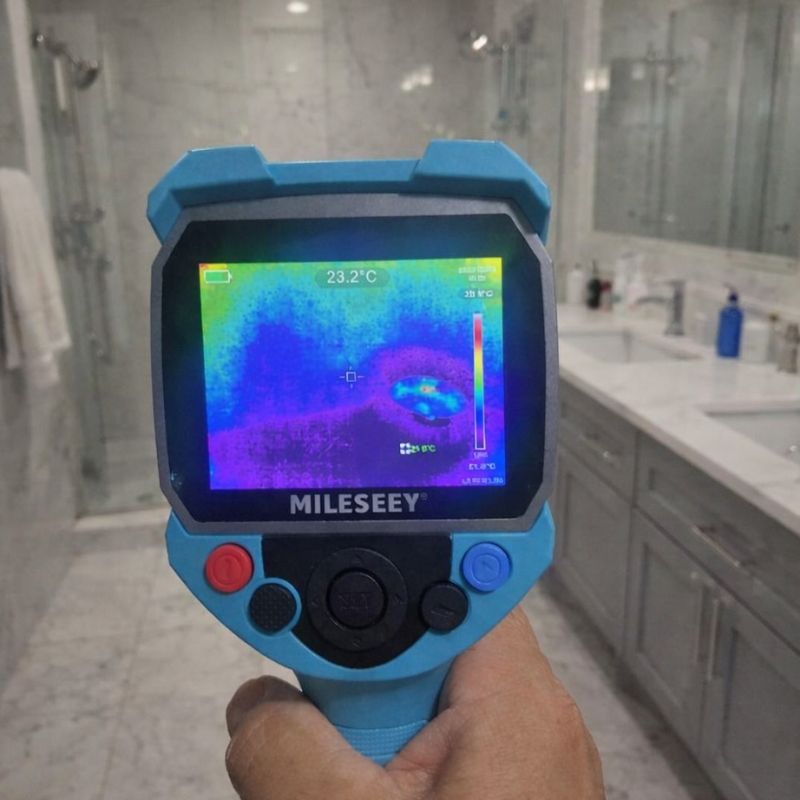
Thermal imaging camera detecting a bathroom leak behind shower wall tiles

Site Access & On-Site Logistics Checklist

To make things easier on the day in Carss Park, these basics are worth having ready:

Parking and entry: visitor requirements, basement entry access, loading zones, lift availability, or access time limits

Keys, gates, intercom: who will meet us at the site and how entry to locked areas like courtyards, rooftops, and plant rooms will work

Pets and occupants: keep pets safely away and maintain clear wet areas for inspection and testing

Strata/body corporate: contact for the building manager, any sign-in or induction requirements, and applicable access windows

What you’ve noticed: if it happens after rain or following shower use, how long it lasts for, and the first place it appears

Prep: make space around the affected area by clearing items; if safe, wipe and photograph active leaks before any clean-up happens

Utilities: access to power for instruments, as well as the ability to run a fixture briefly where a controlled check is required

Examples of Local Work Scenarios in Carss Park

Some of the more common Carss Park scenarios we’re asked to look into, as each property behaves a little differently:

  1. Shower leak that comes back after “patch” repairs Typical signs include damp skirting, swelling architraves, or moisture beyond the bathroom area. We’ll check junctions, penetrations, and where water may be leaking behind finishes.
  2. Ceiling stain below an upper bathroom or balcony We look at the staining pattern and how it is spreading, then consider whether fixture use, drainage, or rainfall may be behind it. Access to the upper level can help.
  3. Water after rain around windows/external walls Water can travel from upper areas and appear lower down around the building. External access, together with safe conditions, may determine what can be assessed on the day.

Coverage & Logistics — Carss Park (2221)

In Carss Park, practical conditions on-site can shape what is able to be confirmed:

Apartments and strata workflows: because leaks can move between lots, coordination may be required for access to the level above, the level below, or common property

Hidden pathways: water regularly travels beyond the visible damage, especially through wall cavities, slabs, and balconies

Access limitations: ceiling spaces, subfloors, service risers, and roof areas cannot always be accessed without keys and approvals

Weather and safety: wet conditions can help reveal some ingress points, but may restrict safe roof/external checks

Intermittent behaviour: if the leak only occurs under specific conditions, you may get a “most likely” ou

The Property Types We Commonly See Here

Across Sydney and Carss Park, leak detection work is often requested by:

Residential Homes

wet areas, moisture paths beneath the floor, roof penetrations, or older plumbing runs

Strata Units

bathrooms, balconies, joint plumbing infrastructure, and leaks that appear in a different lot

Light commercial sites

ceiling leaks, tenancy interfaces, and back-of-house wet sections

Each property type comes with different logistics, such as after-hours access, site contacts, or isolation approvals.

Typical Factors That Affect the Scope

A range of conditions can change what can be confirmed on the first attendance:

The suspected origin point isn’t accessible (unit above, roof zone, locked courtyard or plant area)

More than one damp area appears at the same time (may be separate causes)

Recent repainting or sealing can mask the original pathway

The leak is not active at the time of attendance and requires condition-based confirmation

Testing requires permission to isolate fixtures or access neighbouring areas

Where constraints apply, the outcome remains useful: documented observations together with the most direct route to confirmation.

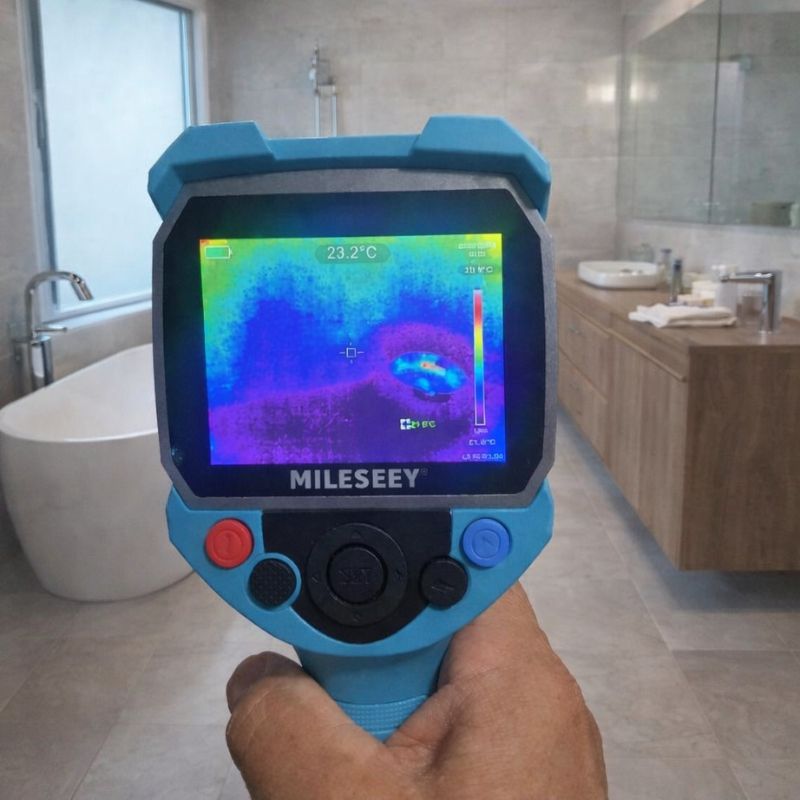
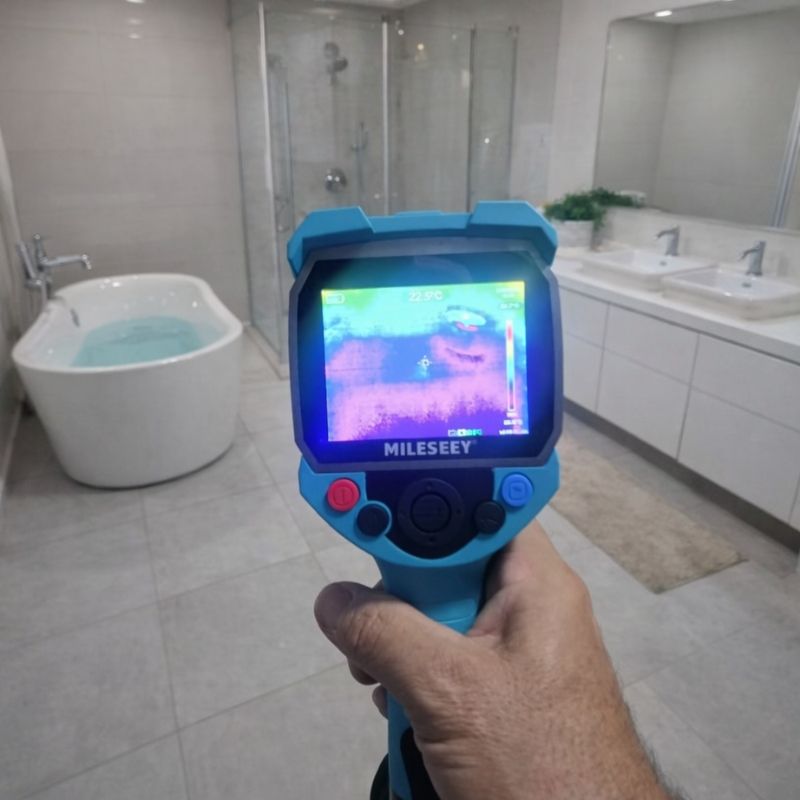
Thermal inspection camera identifying moisture behind bathroom tiles and vanity area

What We Need From You Before Attendance

If you’re in a position to, send or have ready:

A quick summary of when it happens (after rain, after showering, overnight)

Photos/video of any active leak or fresh staining, if safe

Any notes from earlier repairs (what was sealed, replaced, or regrouted)

Building or strata manager details if you’re in a unit complex

Confirmation of who can let us in on arrival

Following the Visit: What You’ll Receive

After a leak detection visit in Carss Park, you’ll typically have:

Notes on recorded moisture areas and likely pathways

On-site images of relevant junctions/penetrations, where accessible}

Findings that separate common sources (fixture/plumbing vs rainwater ingress)

Recommended next steps for confirming the issue or proceeding, especially if follow-up testing is needed

Worksite Safety and Compliance

We keep site checks practical and safe by managing wet-area slip hazards, using appropriate methods for external access, and minimising unnecessary disturbance to finishes. Where roof or external access is involved, weather and safe access conditions may shape what can be completed during the visit.

Technical checks may use tools such as a moisture meter, thermal imaging where appropriate, and targeted methods like dye testing or controlled isolation checks when site access and approvals allow.

Operational Queries FAQs

Yes, unless someone else is available to provide access. For units, intercom entry and access to affected rooms, and sometimes nearby areas, is often required.

We can document the likely indicators and pathways, but confirmation may depend on whether the origin area can be accessed. A building manager or strata contact can help speed up coordination.

We can often narrow it down using non-invasive checks, but some cases still need follow-up confirmation where the pathway is hidden.

Intermittent leaks can be harder to assess clearly. We’ll use moisture mapping, pattern tracking, and the property history, and may recommend condition-based follow-up or selected isolation checks.

Ensure the affected area is accessible, pets are secured, and notes or photos are ready showing whether it happens after rain or after fixture use.

Sometimes. Wet weather can help expose some ingress points, while unsafe conditions may limit roof or external access.

Call 1300 488 660